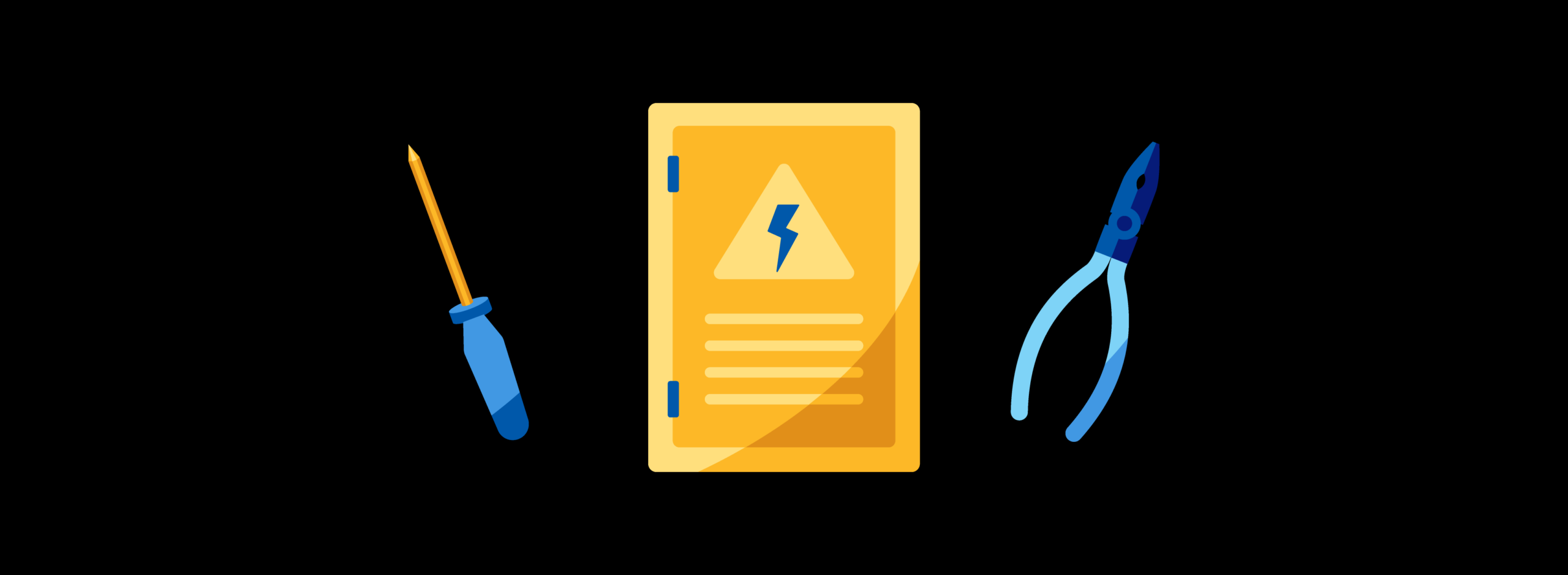
Most newer homes (homes built after the 1960s) use electrical panels. Electrical panels control the home’s electrical system through circuit breakers. These breakers help to control the electricity sent to various parts of the house, and they will trip when overloaded (when too much electricity passes through them). Electrical panels are important for both economic and safety reasons so it’s a good idea to consider a panel upgrade if your panel is outdated.
When do electrical panels need to be replaced?
Most residential electrical panels are designed to work for anywhere from 20 to 40 years if they’re properly installed and maintained. If your home has been around for 20 years or more, you should have your electrical panel inspected to ensure it is in good working order. You should also have it inspected if you notice any of the signs listed below.
The wall around an outlet or panel feels warm.
If you notice the wall around one of your outlets or your electrical panel feels warm, this is a bad sign. There should not be any heat coming from these areas. Shut off the main breaker and contact an electrician, like the ones at PowerHaus Electrical Services, LLC, as soon as possible. You should do the same thing if you notice:
- Brown, black, or gray discoloration
- Smoke
- A burning smell
All of these signs can be a recipe for an electrical fire. Do not ignore them. Contact an electrician ASAP.
There are sparks or shocks.
If you see sparks when you plug something into an outlet, or if you receive a shock from something like a light switch, it could be faulty wiring or an outdated panel. In either case, this is not safe and can lead to an electrical fire if left unaddressed. You should contact an electrician and get your electrical system inspected.
You don’t have enough outlets.
While this is not a guarantee that your electrical panel is outdated, a lack of outlets may be a sign that it’s time for an upgrade. Older homes were built with older electrical demands in mind. If you find yourself relying on power strips or multi-outlet extensions, you may end up overloading your circuits. Consider updating your electrical panel and possibly installing some additional outlets. This can help you to stay code-compliant and avoid electrical problems.
Your circuits keep tripping.
Similar to the last point, if your circuits trip regularly, this is a sign that your electrical system cannot meet your electrical demands. You’re most likely to experience this in the kitchen as kitchens often have the most appliances. You may also notice this in your living room, home office, or bathroom. Whatever the case, circuits should not be tripping daily, weekly, or even monthly. Call an electrician to discuss your options.
Your lights are flickering.
If you notice your lights flickering every time you turn on the television or plug in a kitchen appliance, this can mean a few things. It may indicate faulty wiring. It can also indicate an overloading circuit. Like breakers that trip regularly or a lack of outlets, flickering lights often mean you should consider an electrical panel upgrade.
Your panel is rusty.
Electrical panels are housed within metal boxes and often have a metal door covering them. If you notice rust anywhere on the panel, this may mean your panel is outdated. Rust doesn’t always indicate age, though. It can also indicate that you have a compromised panel—a panel that’s exposed to moisture or other issues caused by the rust. Either way, a rusty panel can be dangerous and should be replaced.
What if I have a fuse box instead of an electrical panel?
Fuse boxes are common in older homes. While there was a time when fuse boxes worked, most modern appliances require a different power draw than those that a fuse box can handle. Fuse boxes also have less moisture resistance and may not meet current building codes. If your home has a fuse box, you should strongly consider upgrading to an electrical panel with circuit breakers. Electrical panels are generally considered to be safer, they will better meet your electrical needs, and they may even lower the cost of your home’s insurance.
One common hazard found in older fuse boxes is the use of oversized fuses on circuits that were originally wired for smaller amperages. Homeowners sometimes replace blown fuses with larger ones to stop nuisance blowing, but this can allow wiring to overheat without proper protection. Over time, this increases the risk of damaged insulation, electrical fires, and other serious safety hazards.
Older Electrical Panels with Known Safety Concerns
Some older residential electrical panels are known within the electrical industry to have higher failure rates and potential safety concerns due to outdated or poorly manufactured components. Common examples include Federal Pacific, Zinsco, Wadsworth, Pushmatic, and Challenger panels. These panels have developed reputations for issues such as:
- breakers failing to trip properly,
- poor connections to bus bars,
- overheating,
- arcing, and
- other internal failures that can increase the risk of electrical fires or equipment damage.
In many cases, homeowners may not even realize there is a problem until visible damage or power issues occur. If your home still uses one of these older panel brands, it may be worth having the system evaluated by a licensed electrician to determine whether a panel upgrade would improve safety, reliability, and overall electrical performance.
Call PowerHaus Electrical Services, LLC to upgrade your electrical panel.
If your home’s electrical panel is outdated, you should get an upgrade or replacement. The experienced electricians at PowerHaus can help. We’ll be happy to assess your panel’s age and condition and recommend the best path forward. Call us today to schedule your electrical panel upgrade.